Medical device documentation carries a level of responsibility that ordinary business content does not.
Instructions for use need to be understood. Labels need to remain clear. Safety information needs to communicate the intended meaning accurately. Updates need to reach the right markets in the correct version.
Add multiple languages, different national requirements and an increasingly digital regulatory environment, and the challenge becomes considerably more complex.
In 2026, this is particularly relevant. The expansion of electronic instructions for use is changing how information can be delivered, while mandatory use of key EUDAMED modules is increasing the focus on structured, traceable device information.
For manufacturers operating internationally, medical document translation services therefore need to support more than linguistic accuracy.
The right information needs to reach the right user, in the right language, in the right version and in the right format.
Here are seven of the regulatory and documentation challenges manufacturers need to consider when managing multilingual medical content.
1. Language requirements differ between markets
One of the first challenges is also one of the easiest to underestimate.
There is no single language requirement that can simply be applied to every EU market.
Under the EU Medical Device Regulation (MDR), Member States can determine the languages required for information supplied with a device. The European Commission maintains country-specific information because requirements can vary depending on the market and type of documentation involved.
Language considerations can affect areas including:
- labels and instructions for use
- implant cards
- declarations of conformity
- field safety notices
- graphical user interfaces
This means a manufacturer cannot assume that an English document, or even one existing set of translations, will meet the requirements everywhere a device is supplied.
Before translation begins, organisations need to establish which documents require which languages in each intended market.
For the translation process, knowing that scope early is extremely valuable. It allows terminology, resources, timescales and workflows to be planned around the actual markets involved rather than adding languages reactively later.
A document being translated accurately does not necessarily mean it has been translated into all the languages required for its intended markets.
2. Terminology needs to remain consistent across regulated content
Medical device information rarely exists in one document.
The same product terminology may appear across:
- labels
- instructions for use (IFUs)
- technical documentation
- software and graphical user interfaces
- safety information
- training materials
- clinical documentation
- post-market communications
Now imagine that terminology being translated independently across several documents, suppliers, versions and languages.
Small inconsistencies can quickly multiply.
In regulated medical content, terminology management is therefore an important part of the translation process.
Approved glossaries and terminology databases can establish how specialist terms, product names, abbreviations and recurring phrases should be handled. Translation memories can then help identify previously translated and approved content when it appears again.
This can support both consistency and efficiency, particularly for organisations managing large volumes of multilingual documentation over the lifecycle of a device.
This is something Peak already supports in practice. For dental supplier Optident, for example, translation technology is used to store and update terminology specific to the client and dental sector, helping support consistency across multilingual projects.
3. Version control becomes a multilingual challenge
Regulated documentation does not stand still.
An IFU may be updated.
A warning may change.
A product modification may affect technical information.
A safety communication may need issuing.
Software may be updated.
When the source content changes, the translation challenge is not simply producing another version in another language.
Organisations need to know:
- what has changed
- which documents are affected
- which languages need updating
- which previously approved translations can be reused
- whether terminology has changed
- which translated version is currently approved for use
The more languages and documents involved, the greater the potential complexity.
This is where controlled translation workflows and translation technology can become particularly valuable.
Translation memories can help identify content that has not changed, while structured terminology resources can help ensure updated material remains consistent with existing documentation.
But technology still needs to sit within robust document and quality-management processes.
The challenge is not simply translating the latest version. It is ensuring every audience receives the correct version.
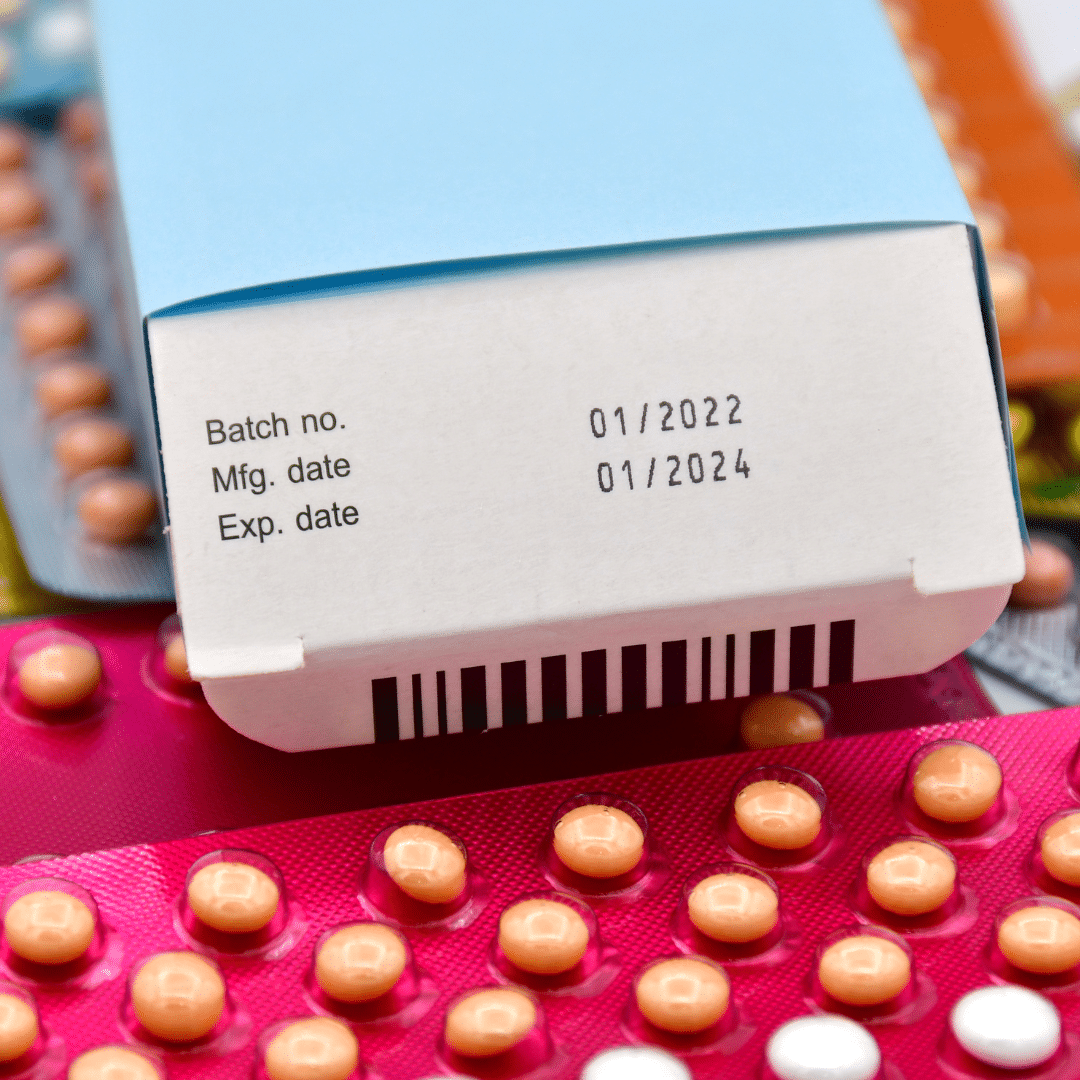
4. Labels and IFUs have to remain accurate, clear and usable
Medical translation also has to work within the physical and visual constraints of the document.
This becomes particularly important with medical device labelling and instructions for use.
Translation frequently changes the length of text.
A short English instruction may become considerably longer in another language. Add several languages to the same label or document and available space can disappear quickly.
At the same time, the information still needs to remain clear and usable.
Depending on the material, translators and production teams may need to work around:
- limited label space
- tables
- warnings
- symbols
- diagrams
- cross-references
- product identifiers
- multilingual layouts
This is why medical document translation cannot always finish when the translated text is approved.
The final formatted material may also need checking to make sure text has not been truncated, moved into the wrong place or separated from the information it relates to.
For documentation requiring multilingual layout and publishing support, PEAK Format can help ensure translated content is laid out correctly for each target language, including adjustments for text expansion or contraction, language-specific punctuation and typographic conventions.
5. E-labelling is changing how medical information is delivered
Medical device information is becoming increasingly digital.
In 2025, the European Commission expanded the circumstances in which manufacturers can provide instructions for use electronically under Commission Implementing Regulation (EU) 2025/1234.
This reflects a wider move towards digital access to product information and creates potential advantages for manufacturers and users.
Electronic information can be easier to update, distribute and access across different locations.
But there is an important distinction.
Digitalising an IFU does not remove the multilingual challenge. It changes how that challenge needs to be managed.
The appropriate language versions still need to be available where applicable, and digital delivery introduces its own information-management considerations.
Manufacturers may need to consider:
- how users find the correct language
- how current and previous versions are controlled
- how updates are communicated
- whether the information remains accessible to intended users
- how electronic content connects with information supplied on the physical device or packaging
And e-labelling is not simply a universal replacement for paper documentation. The applicable rules and conditions depend on the device and intended users.
For multilingual teams, the benefit of digital information is therefore closely connected to good content management.
A digital document can be updated quickly.
That makes ensuring the right language, right content and right version even more important.
6. UDI and EUDAMED are increasing the focus on information consistency
Another significant development arrived in May 2026.
From 28 May 2026, use of four EUDAMED modules became mandatory, including the UDI/Device registration module.
The EU’s Unique Device Identification system is designed to support clear device identification and improve traceability.
Importantly, a UDI is structured device information. The identifier itself is not something that needs translating.
The translation relevance sits within the wider information environment surrounding the device.
Product information may appear across regulatory databases, labels, IFUs, software, safety information and other documentation used by healthcare professionals or patients.
As regulatory information becomes increasingly structured and traceable, organisations need strong processes for maintaining consistency across those different information sources.
This creates a useful distinction.
UDI does not simply create a new “translation requirement”.
Instead, it illustrates a wider regulatory direction:
device information is becoming more structured, traceable and interconnected, and multilingual documentation needs to operate within that same controlled environment.
For translation teams, that reinforces the importance of approved terminology, reliable source content and disciplined version management.
7. The translation workflow should reflect the level of risk
Not every medical document carries the same purpose or level of risk.
A general internal communication is very different from an IFU.
A marketing document is different from a field safety notice.
Patient-facing information may require a different approach from technical documentation intended for a specialist professional audience.
That means there is no reason every piece of content should automatically follow exactly the same translation workflow.
Factors to consider include:
- who will use the information
- what they need to do with it
- the complexity of the terminology
- the consequences of ambiguity or error
- regulatory requirements
- whether the content is patient or healthcare-professional facing
- how frequently the information will change
Translation technology and AI can create efficiencies for suitable content, particularly where large volumes or repeated material are involved.
But for highly specialist, regulated or safety-critical information, subject expertise, human review and additional quality assurance may be particularly important.
The objective is not to apply the most complex workflow to everything.
It is to apply the right level of expertise and assurance to the right content.
At Peak Translations, our medical language solutions can be tailored according to the subject, audience and requirements of the project, with services such as PEAK Summit supporting specialist content where accuracy and accountability are critical.
Five questions to ask before translating regulated medical documentation
Managing multilingual medical documentation becomes considerably easier when the right questions are answered before translation starts.
1. Where will this information be used?
Identify every intended market rather than assuming one language set will cover multiple territories.
2. Which language requirements apply?
Establish the applicable regulatory requirements for the device, document type and destination market.
3. What is the approved source version?
Translation should begin from controlled, final source content wherever possible.
4. Which terminology needs to remain consistent?
Identify product names, specialist terminology, warnings, abbreviations and recurring language that should be controlled across documentation.
5. What level of linguistic review and quality assurance does the content require?
Consider the audience, purpose, complexity and potential consequences of an error when determining the appropriate workflow.
These questions do not replace regulatory assessment.
They help create a stronger foundation for the multilingual documentation process that follows it.
Medical translation works within a much bigger regulatory system
The regulatory environment surrounding medical devices is becoming increasingly connected.
Documentation, labels, electronic IFUs, structured device data and post-market information may all form different parts of the same product information ecosystem.
Translation needs to operate within that environment.
That requires more than producing linguistically correct documents in several languages.
It requires consistency.
Version control.
Specialist terminology.
Appropriate quality assurance.
And an understanding of how translated information will ultimately be used.
In regulated medical translation, accuracy is only one part of the challenge. The right information also has to reach the right user, in the right language, in the right version and in the right format.
Language service providers can support the accuracy and consistency of multilingual documentation, but responsibility for determining and meeting applicable regulatory requirements remains with the manufacturer or relevant economic operator.
Need support with multilingual medical documentation?
Managing medical documentation across languages can become increasingly complex as products, markets and regulatory information evolve.
Peak Translations works with specialist medical linguists to support organisations requiring accurate, consistent multilingual content.
Whether you are managing IFUs, labels, technical documentation, patient information or other specialist medical content, we can help you identify a translation workflow appropriate to the needs of the project.
Through services including PEAK Summit and PEAK Format, we can combine specialist linguistic expertise, quality assurance and multilingual publishing support where required.
Talk to us about your medical translation requirements.