
« La vie est trop courte pour boire du mauvais vin »
“Life is too short to drink bad wine“
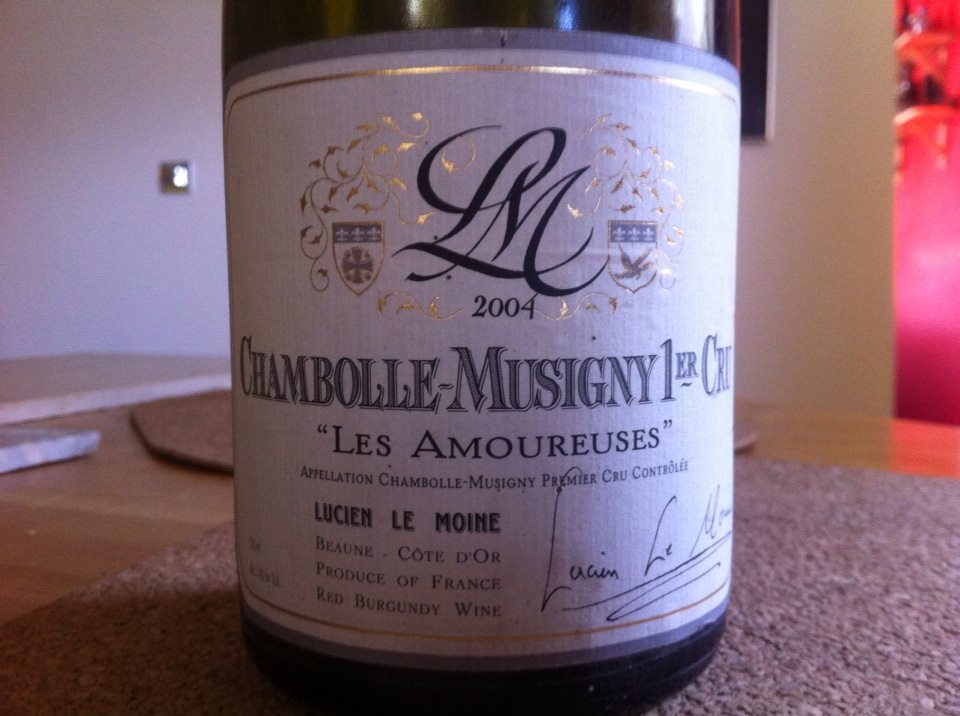
The 39th Edition of London Wine Fair may be months away, but perhaps it would be a good time for British wine importers and suppliers to ‘Carpe diem, carpe vinum’ and get ahead of the game by preparing for this year’s fair taking place on Monday 20th – Wednesday 22nd May at Olympia, London, as well as for The Real Wine Fair, Sunday 12th – Monday 13th May at Tobacco Dock, London.
Not only that, but it might be useful to look at what the world of wine exports has to offer. Likewise, UK companies who are looking to supply machinery, hydraulics, glass bottles, etc, to wineries in different countries could benefit from the following advice to help them break onto a potentially new and exciting market. New adventures all round!
In this competitive world of wine that we live, with an ever-increasing global wine supply, as well as increasing taxes on wine, wine suppliers and importers are going to need to rev up their competitive edge and provide their customers with an even stronger USP. Perhaps it’s time to take business to the next level and learn the language of wine exporting.
And what is this language? Simply said, it involves crossing cultural borders and embracing a country’s culture and language, in order to paint the whole picture to your customers with the wonders of your various wine masterpieces that you have secured along your wine voyage. However, dealing with different wine cultures is so much more than just selling their wine. It’s about mastering the art of international communication, travelling to the back of beyond to unearth that rare jewel that will put your name in lights as the wine supplier that brought the world a particular star wine. However, how do you go about doing that if you don’t have effective communication? How do you sell a vineyard’s story and wine, if you don’t tap into their passion, life and country’s culture?
Connecting your wine exporters to your end customers through the wines that you import and supply can appear a challenge. You want to be able to get the most out of your business relationships, as well as provide your customers with interesting and useful information. By following these few steps in effective international communication, this could help you get ahead of the game in so many ways. Effective communication comes in various forms: –
“In vino veritas”
“In wine there is truth”
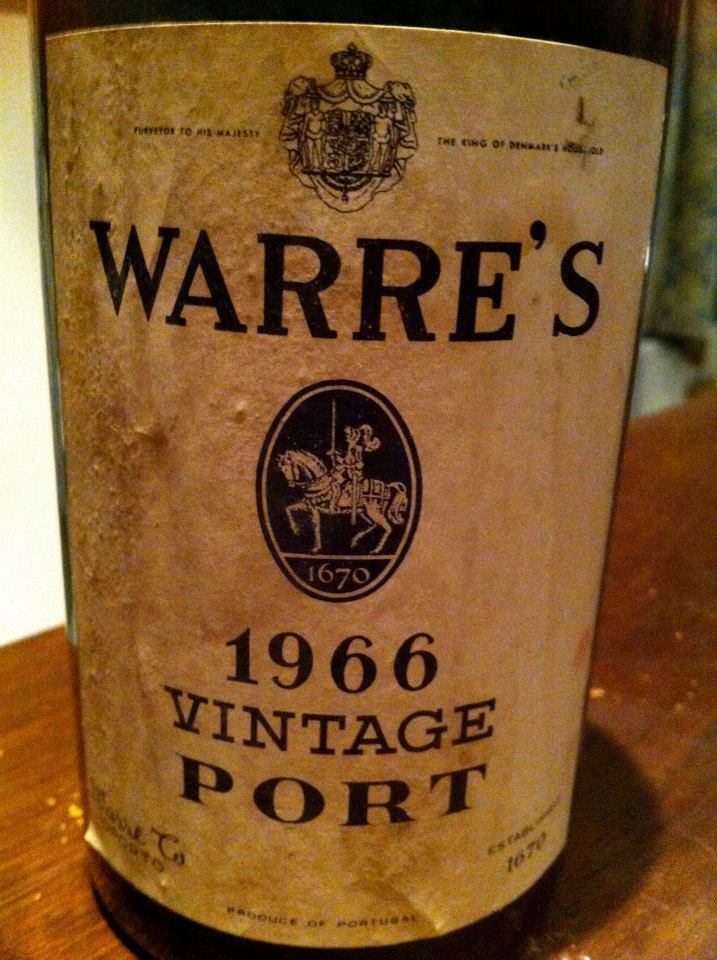
1. It’s easy to assume that everyone speaks English as it’s considered the ‘lingua franca’, the global language, especially given that it’s the world’s most widely spoken language. However, it does absolutely no harm in learning the language of the countries from which the wine originates. In fact it will more than likely build a stronger relationship with your partners or future ones. This doesn’t mean you have to become an aficionado (many wine buyers are required to have language as part of their portfolio), but when your winemakers/exporters/or potential clients visit, such as attend a UK wine fair, impressing these wine industry visitors with a few useful words and phrases of their native language will go a long way. Not only does it show respect, but also it will potentially create a better bond. If you still don’t feel fully confident with your language skills, employing the services of an interpreter skilled in wine talk would also be invaluable.
2. The written word is just as important as far as language goes, which could cover a wide range of material necessary for forging new business relationships or maintaining existing ones. When attending the wine fairs, what about taking a selection of your business cards translated on the other side? They will come in handy for when you visit the countries. In this instance it is necessary to check out the rules that apply to the different cultures, as each country varies as to what information is appropriate to put on the card. Business etiquette also differs as to how you present your card, as well as receive theirs. By embracing their cultural etiquette you could possibly earn a few brownie points.
Likewise, your global wine industry clients may appreciate receiving any of your proposals or information that you deem important in their own language. Even if they speak English, it is known that most people prefer to read in their native tongue.
3. Surveys have provided evidence that a large majority of people prefer to read websites in their native language and that language often outweighs price. It has been discovered that nine out of ten Internet users would always, if given a choice, choose the web page in their native language. For the most effective multi-lingual website, it is not recommended to link your website to a machine translated site e.g. Google, as machine translation doesn’t pick up on the nuances of terminology, culture, etc. Having it translated by a marketing specialist translator with wine knowledge and experience in localisation and website localisation could take your website much further and result in you reaching your target market effectively.
« On ne peut pas avoir de culture gastronomique sans vin »
“You can’t have food and not have wine”
Likewise, once you’ve forged your business relationship with varying wine exporters, it might be advantageous to have their wine information such as tasting notes translated if they have yet to get on the translation bandwagon. For instance, if they are small producers in the depths of Croatia, or the lesser-known regions of France, Spain and Italy for example, they may not have the capital for getting their wine stories heard. This is where you could bring them to life in the UK by providing your customers with their tale through wine tasting notes, portfolios, etc in English. Getting to grips with a country’s language and culture can open eyes to a whole world of untapped wine regions, vineyards and wines. Through effective communication, deals can be struck with small producers wanting to break onto the UK market and in this ever-increasingly competitive world, this could mean finding a gem that sparkles that much brighter which might not have been brought into the limelight if language and cultural barriers had not been crossed.
The challenge of international communication and reaching your varying target markets may appear difficult and daunting at first, but taking those first steps could lead to richer relationships with all your clients. Crossing those cultural borders will ultimately help you on your way to better international communication across the board.
By Madeline Prusmann, Project Manager, January 2019
FOR ALL YOUR LANGUAGE REQUIREMENTS CONTACT THE PEAK TEAM FOR ADVICE
ON
projects@peak-translations.co.uk
OR
01663 732 074
WE’RE ALWAYS HERE TO HELP WITH ANY QUERIES